


No matter how high global ad spend rose in 2025, marketers will likely remember the year for its bad vibes. In the U.S., advertisers had to contend with persistent global conflict, a tariff-addled economy, antitrust and regulatory pressure on its major players and a fraught sociopolitical landscape where everything from jeans to biscuits could be a culture war landmine. For the near future, it appears the only certainty is uncertainty.
Despite these compounding challenges, the savviest marketers cut through the noise and moved the needle for their brands through a variety of strategies. As has been the case for years, nostalgia was often a reliable way to tie current campaigns to past glory days. The same can be said of celebrity-driven campaigns that have turned a strategy once reserved for the Super Bowl into an everyday one.
As consumer sentiment plummeted, value — both monetary and emotional — became a part of nearly every marketing campaign, especially as competitors in the QSR and CPG sectors returned in full force to competitive sparring, a tactic that had previously fallen out of favor. Strategically, social-first is up, while purpose-driven is down. And while marketers looked to turnaround struggling brands and reposition sturdier ones, they also worked to avoid potentially disastrous rebrands.
Marketing Dive has collected some of the best marketing efforts of the year that show where adland has been and where it is going, especially as the pendulum swings back to performance and ROI from the longer-tail returns of brand building.
Chili’s Fast Food Financing experience
Courtesy of Chili’s Grill & Bar
Best overall marketing: Chili’s Bar & Grill
Chili’s continues to notch impressive sales numbers, recently reporting its fourth-straight quarter of 20% or higher same-store sales increases. Executives at parent company Brinker International have repeatedly attributed the casual dining chain’s success to its marketing prowess. Along with previously lauded efforts around video-game nostalgia and out-of-the-box value messaging, Chili’s has continued to look for ways to reach different cohorts through culture.
“For us, staying relevant, and gaining relevancy with Gen Z, isn’t about chasing every trend,” said Jesse Johnson, vice president of marketing at Chili’s, over email. “It’s about showing up authentically in the places people are already having conversations in a way that feels true to who we are as a brand. That means leaning into humor, tapping into nostalgia, and creating moments that make people say ‘Chili’s did wut?!’”
Two efforts this year used nostalgia for TV hits of the 1990s and 2000s, one pairing the brand with “Saved by the Bell” star Tiffani Thiessen and the other opening a “Scranton Branch” to tap into continued interest around “The Office.” Chili’s also turned its brand icons into fashion and costumes, and pitched its margaritas with tie-ups around country music, motorsports and its own short-form Lifetime TV movie.
“They were not only able to appeal to nostalgia, but also combine it with the value messaging, which is really powerful in this environment, and then took the fight directly to QSR,” said R.J. Hottovy, head of analytical research at location analytics platform Placer.ai. “I think that really resonated with consumers.”
Sydney Sweeney for American Eagle
Courtesy of American Eagle
Best noisemaker: American Eagle, “Sydney Sweeney Has Great Jeans”
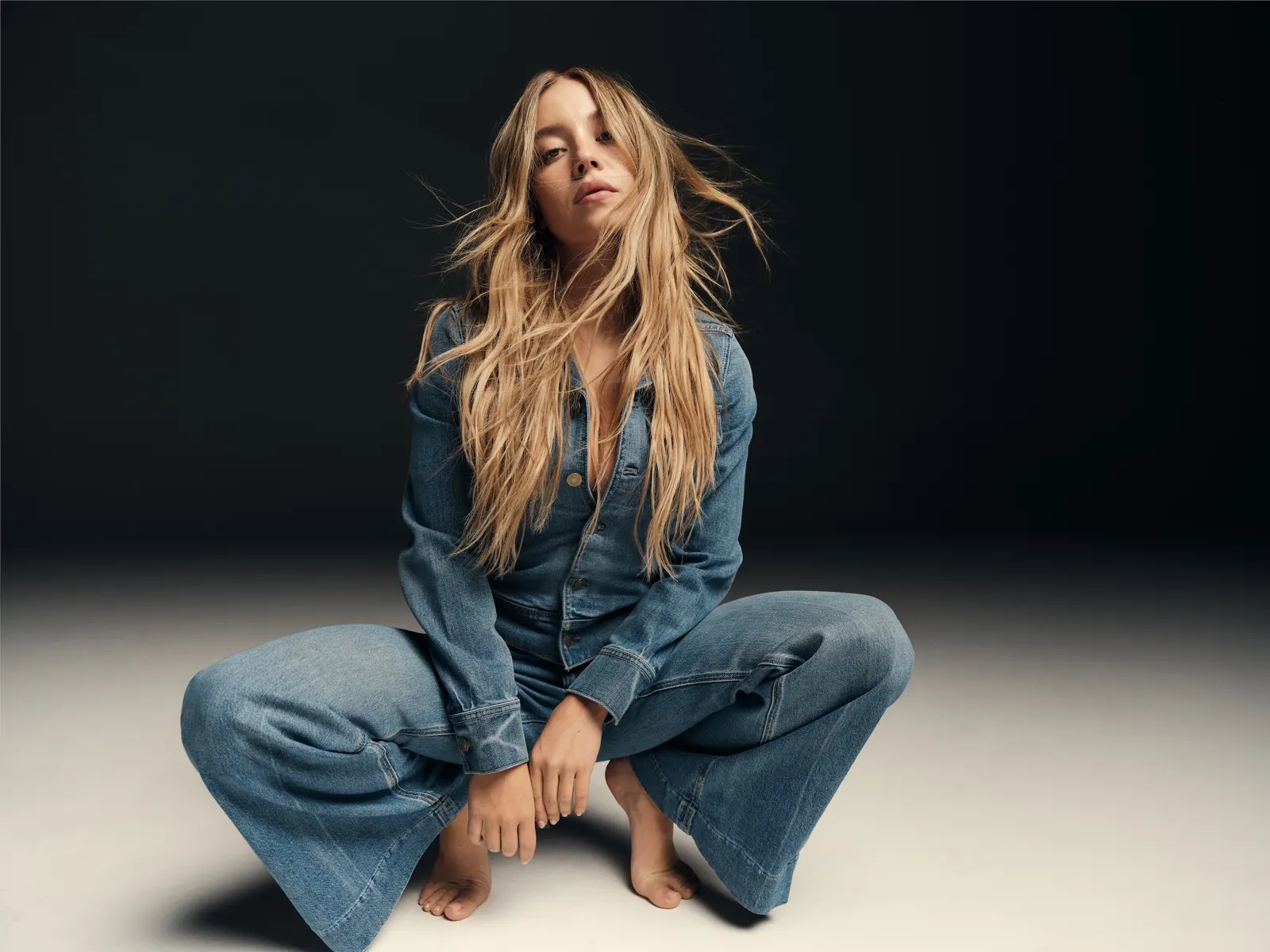
A handful of marketing campaigns made headlines this year, but none managed to capture the same level of buzz as American Eagle’s tie-up with Sydney Sweeney for its most expensive — and perhaps most controversial — campaign to date.
“Sydney Sweeney Has Great Jeans” featured the A-lister in the brand’s core product and spanned social media, including an AI-powered Snapchat experience, and flashy OOH displays, like a takeover of the Sphere in Las Vegas. Almost instantaneously, the campaign was hit with criticism, with some arguing that the ads promoted the long-disproven theory of eugenics.
Still, the effort paid off, becoming the most successful campaign in American Eagle’s history and affirming the brand’s decision to stay the course despite the backlash, said CMO Craig Brommers. The campaign generated nearly 1 million new customers between late July and early September and the brand managed to grow in every county in America in Q2. Products worn for the collaboration, including a limited-edition pair of butterfly-embellished jeans, flew off the shelves.
“Not everyone may agree with this campaign or respond to this campaign, but I hope that people can isolate that and say this is a campaign that moved the needle and can be used as a reference point for marketers when they get asked, ‘Does marketing work?,’” Brommers said.
Dove’s #ShareTheFirst OOH ads
Courtesy of Dove
Best social-first campaign: Dove, “#ShareTheFirst”
Social-first marketing has felt ubiquitous in 2025 and few companies have better embodied the industry shift more than Unilever. The CPG giant, which is committing half of its ad spend to social, in June showed how marketers can adapt an iconic brand platform to meet changing needs with Dove’s “#ShareTheFirst.”
The effort was developed as the first entirely creator-led iteration of Dove’s longstanding “Real Beauty” campaign and executed without additional studio work. Created in partnership with Edelman, “#ShareTheFirst” was rooted in research that found nine in 10 surveyed women take up to 50 photos before posting to social media while 60% avoid sharing special moments at all. To combat this “perfection paradox,” Dove encouraged consumers to put up the first photo they snapped of themselves, resisting the urge to overthink and instead embrace self-confidence, aligning with the larger ethos behind the brand’s “Real Beauty” platform.
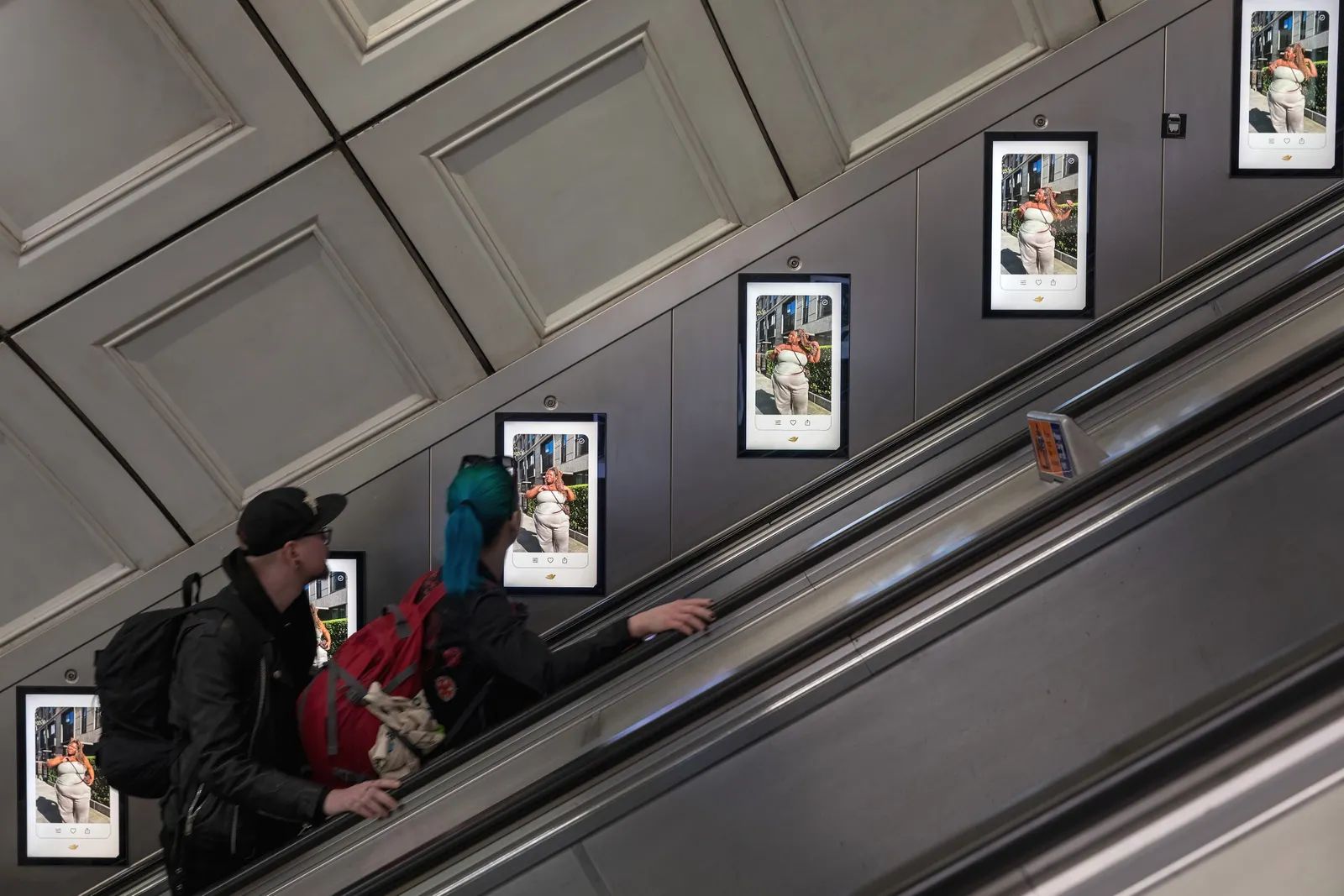
The authenticity minded concept was supported by Dove’s network of over 100 global creators, who kickstarted the #ShareTheFirst drive online. Dove also deployed an out-of-home takeover of London’s Liverpool Street station that included 64 placements highlighting creator content. Each ad contained a scrollable element, providing an unvarnished peek at the camera roll before showcasing a message from Dove.
“#ShareTheFirst” generated over 1 billion impressions and 94% positive sentiment while improving key brand metrics, including purchase intent, consideration and perceptions of Dove as a champion of inclusivity.
Katseye for Gap
Courtesy of Gap
Best cultural play: Gap, “Better in Denim”
While cultural relevance is a goal for many marketers, it can be difficult to get right. Brands have to join the conversation without seeming forced or disingenuous. Not every advertiser can succeed, but Gap certainly seemed to do so this year. The retailer’s “Better in Denim” campaign not only managed to grab global attention, but also drive business results.
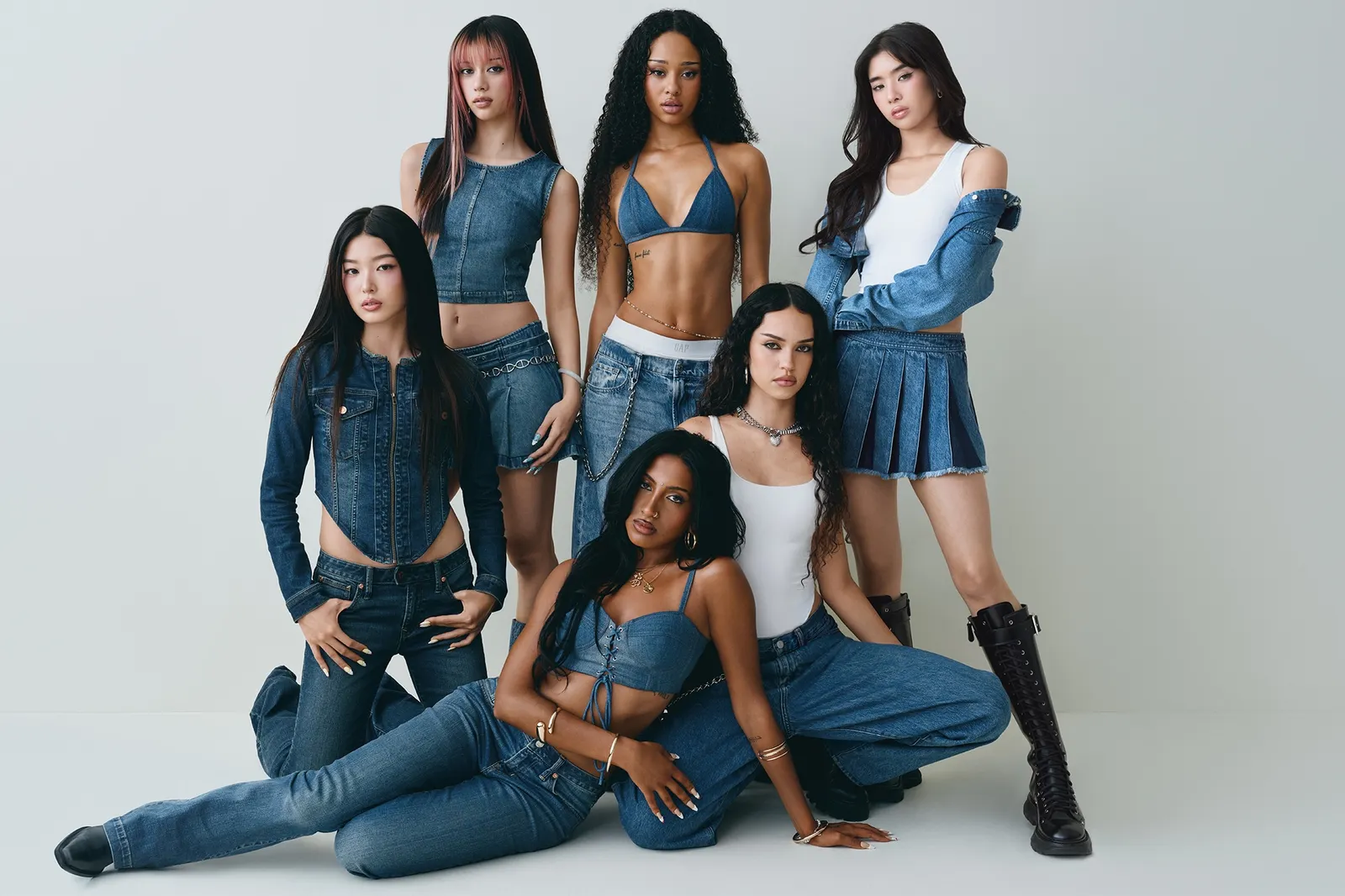
Timed to back-to-school shopping season, the campaign featured global girl group Katseye dancing to “Milkshake” by Kelis while outfitted head-to-toe in denim. The retailer has often focused on cultural marketing and “Better in Denim” managed to combine the relevancy of a contemporary group with the nostalgia of a 2000s anthem. The result was a viral, Gen Z-focused campaign.
“The success of that campaign really put us into another universe of being relevant and being for a new generation of consumers,” said Gap’s Global CMO Fabiola Torres in an interview with Marketing Dive.
With more than 8 billion impressions and 500 million views, the campaign is one of Gap’s most successful to date, according to a Q3 earnings call. Not only did the campaign drive significant traffic, it also helped to deliver double-digit growth in denim sales.
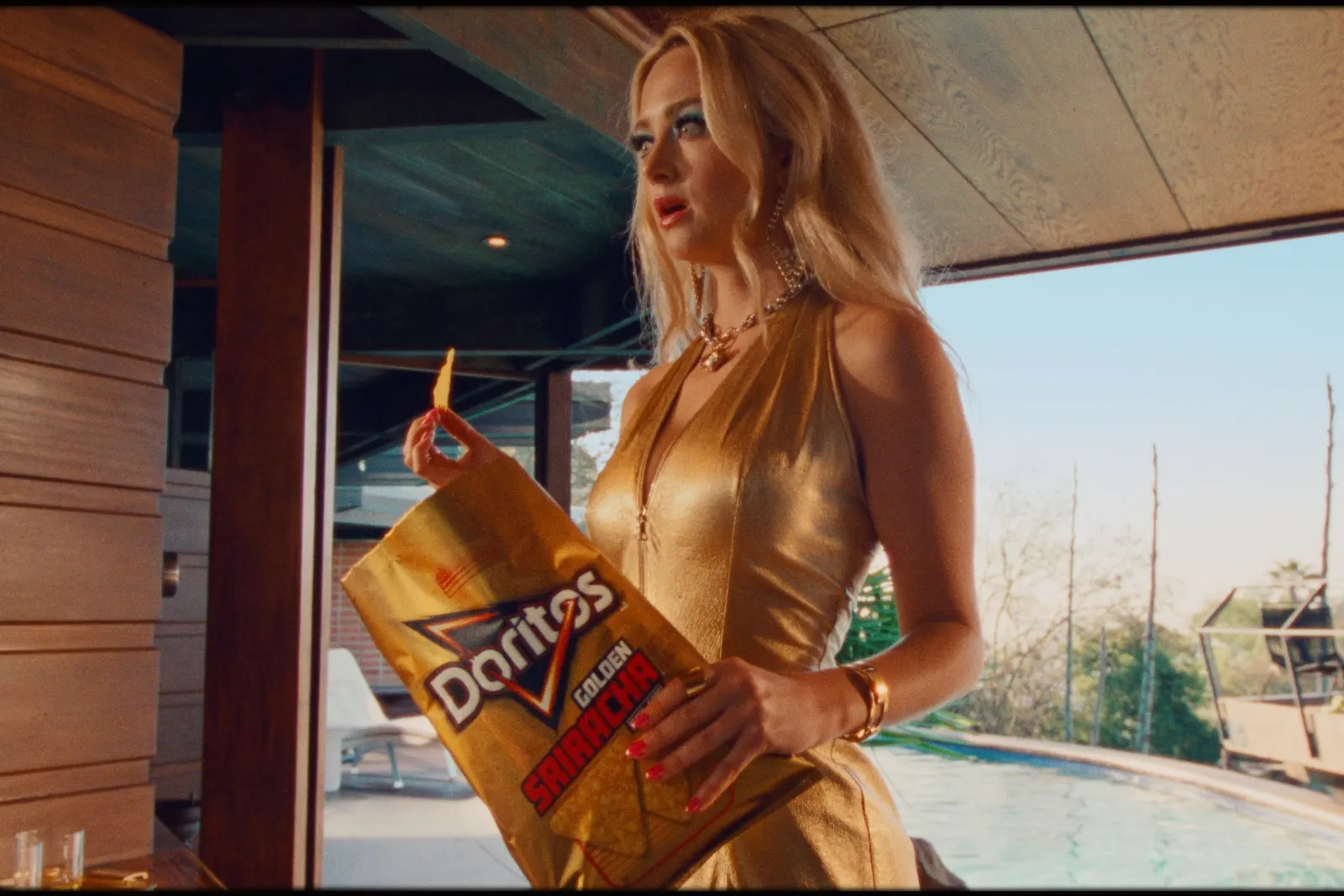
Doritos’ Golden Sriracha chips in a “not too spicy” video
Courtesy of Doritos
Best edgy humor: Doritos, “A Spicy, but Not Too Spicy Plumber”
In a walking-on-eggshells environment, creative that pushes the envelope while still delivering entertainment has become a rare beast. Doritos threaded the needle with a racy, digital-first campaign promoting its Golden Sriracha chip.
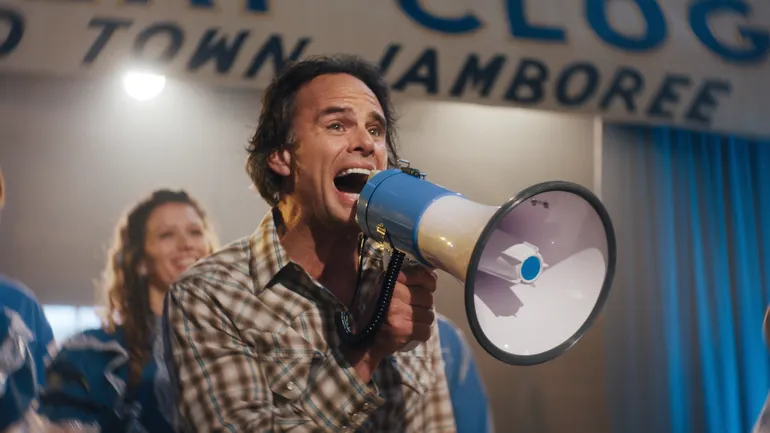
“A Spicy, but Not Too Spicy Plumber” stars actor Walton Goggins in a nearly four-minute parody of retro adult films. The logline: Goggins’ plumber doesn’t understand the X-rated genre he’s operating in, batting away come-ons with straight talk — that is, until he takes a bite of Doritos.
Doritos wanted to communicate that Golden Sriracha, which is made with a tangier yellow version of the sauce, isn’t as spicy as heat-averse snackers might think. In an era where “unhinged” humor is in vogue, the content edges close to pearl-clutching material without overplaying its hand.
“We all know there’s a line, and it’s a matter of whether you can go all the way up to the line without going over,” said Chris Bellinger, chief creative officer of PepsiCo Foods North America.
The effort developed with agency Rethink featured Times Square placements, a screening at New York’s Slipper Room and ads in Maxim. In addition, Doritos encouraged steamy social media fan edits, which generated over 200 million views.
“Walton Goggins, being so hot right now, really adds to the viral impact of the film,” said Jac Mansour, chief creative officer at Pinnacle Advertising, over email. “Longer-format video, if it’s compelling and aligns with a marketer’s overall strategy, can really pay off, and in this case sell a bunch more Doritos.”
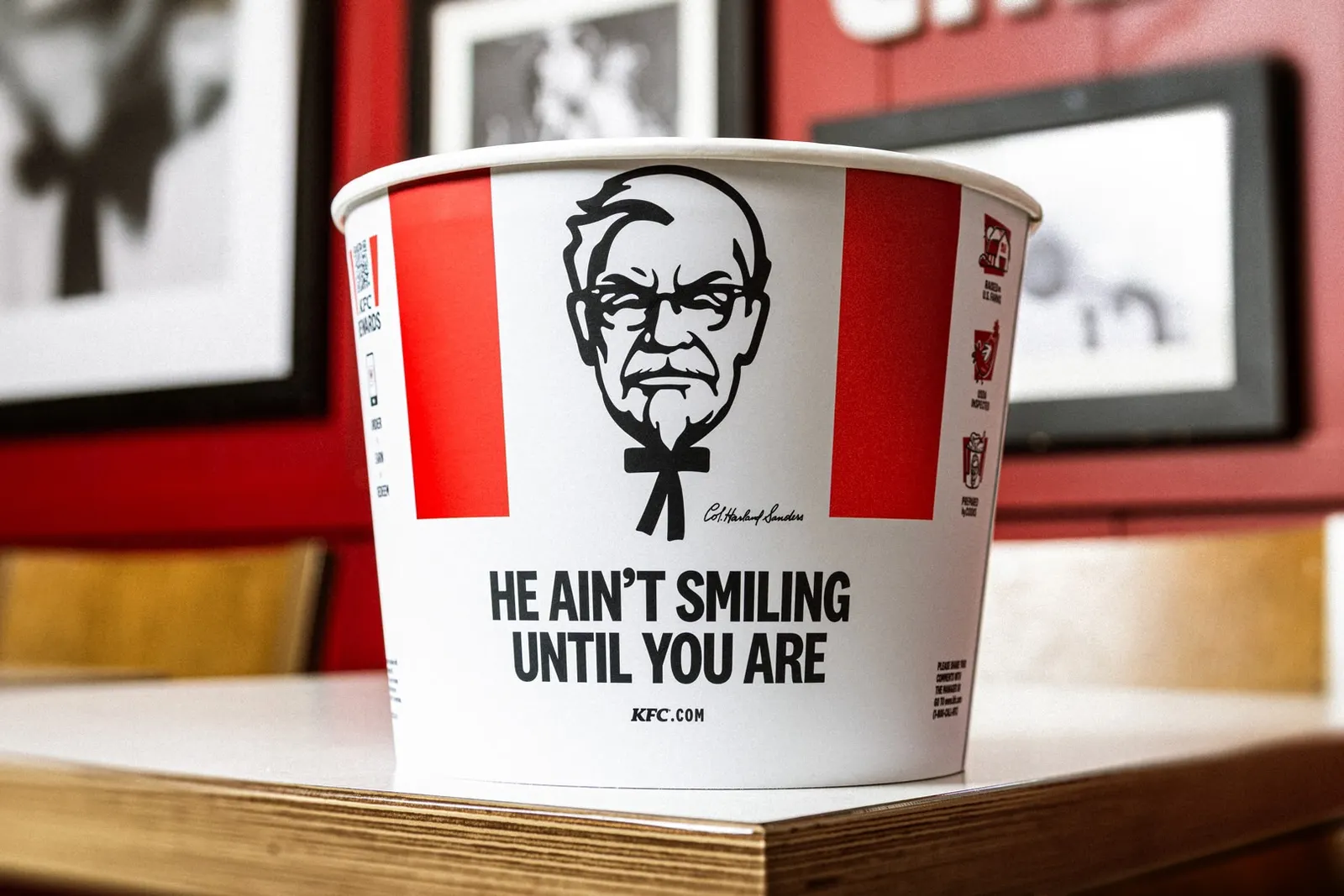
KFC’s new-look logo
Courtesy of KFC
Best brand turnaround: KFC, “Obsession”
A decade ago, KFC utilized a string of well-received marketing stunts to transform the chain into a lifestyle brand. Despite strong sales, KFC in 2022 shook up its marketing leadership and agency partners in a bid to woo young consumers but soon saw declining growth. Earlier this year, KFC pivoted again and entered its so-called “comeback era” with a bold reimagining of its most iconic brand asset: Colonel Sanders.
A July campaign included a spot, “Obsession,” that revisited the journey Colonel Sanders took to create KFC and a revamped logo that swapped Sanders’ usual grin for a scowl. The campaign was crafted by agency Highdive and sought to embrace the brand equity of a mascot who was actually a founder.
“We tapped straight into that energy and recast him as the feisty chefpreneur he truly was, obsessed with quality and flavor and unwilling to settle for anything less. That gritty, driven approach signaled to consumers that KFC was serious about reclaiming its spot at the top of the category,” said Chad Broude, the co-founder and co-CCO at Highdive, in emailed comments.
The serious approach appears to be working, with System1 naming the effort the strongest QSR ad of the year for branding, purchase intent and sales potential, and the chain seeing a 2% same-store sales growth last quarter.
“By modernizing our heritage and elevating our most distinctive brand assets, we’re reintroducing KFC to the world, especially to younger audiences. And the shift is resonating,” said Melissa Cash, CMO for KFC U.S., over email.
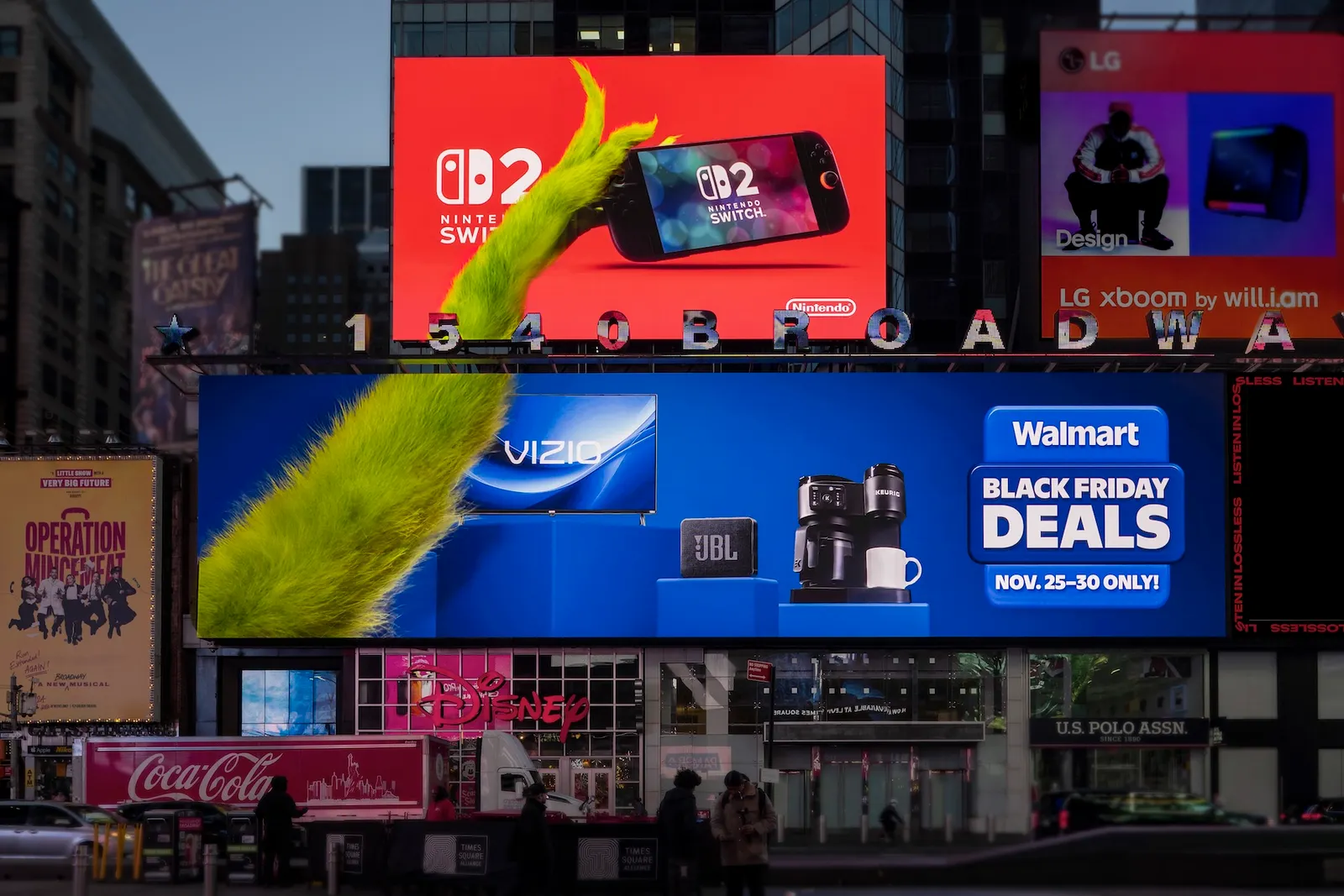
Walmart’s holiday take on its “Who Knew?” platform
Courtesy of Walmart
Best brand transformation: “Walmart. Who Knew?”
Walmart entered 2025 riding business tailwinds but with a brand perception problem, one that it is solving through a “Walmart. Who Knew?” platform that better highlights its assortment and services like Walmart+. Starring Walton Goggins, “Who Knew?” is the culmination of a larger shift in Walmart’s marketing strategy that has embraced pop culture savvy. The creative is anchored on a revision of The Who’s “Who Are You” while the presence of celebrities is driving brand reappraisals, according to Walmart Vice President of Creative David Hartman.
“In marketing, we talk about ‘put the brand in the culture and the culture in the brand,’” Hartman said. “Having Goggins play a lead role is one of the ways that allows us to do that.”
Walmart recently adapted “Who Knew?” for the holidays, unveiling “WhoKnewVille” as part of a partnership with Dr. Seuss Enterprises. In a spin on the Christmas classic, Goggins takes on the role of the Grinch, bringing deals on gifts to denizens of the titular town. The ads have attracted millions of views online, speaking to how “Who Knew?” has drawn in consumers seeking seasonal, nostalgic entertainment. Publicis agencies Fallon, Leo NY, The Community, Contender and Digitas are behind the concept.
“Sometimes the most powerful move is acknowledging your old baggage,” said Jolene Delisle, founder and head of brand creative at The Working Assembly, over email. “The light, self-aware tone makes it feel human, and that’s a big reason it works.”
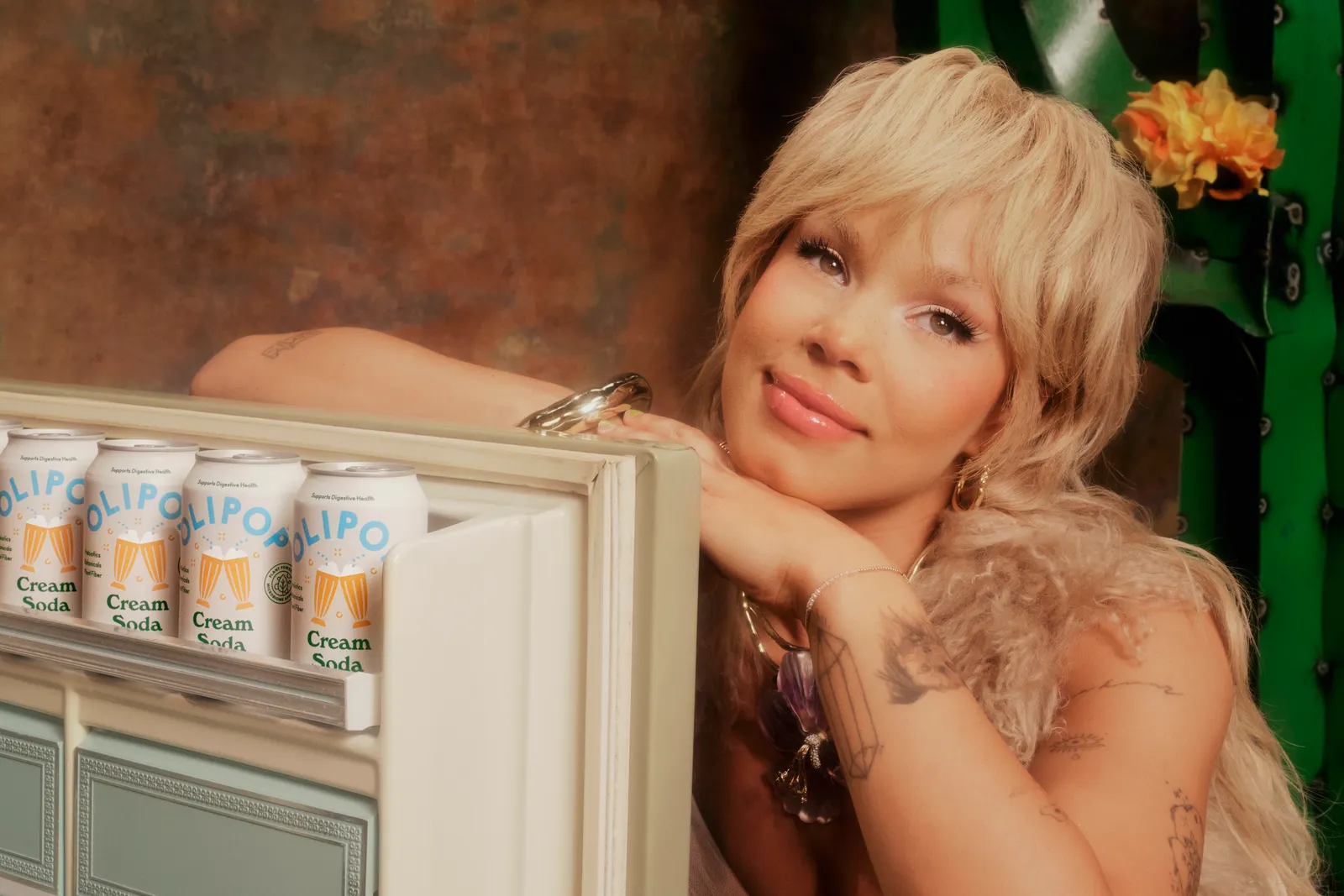
Musician Tanner Adell for Olipop
Courtesy of Olipop
Best competitive sparring: Olipop
The better-for-you soda wars intensified in 2025 as bets from giants like Pepsi and Coca-Cola made waves in an industry dominated by upstarts. Culture-first marketing has been a consistent theme for competitors in the space, but few efforts stood out as much as Olipop’s summer campaign, which upended the traditional influencer model to give everyday consumers the star treatment.
The CPG brand in June partnered with Amazon Ads to drop 5,000 influencer-style PR boxes for 5 cents each on Amazon, with each box inclusive of seasonal Olipop flavors and branded merchandise. In total, 35,000 people signed up to be notified when the boxes were available, and the product sold out in two minutes.
“The social sentiment was really high,” said Steven Vigilante, Olipop’s director of media and partnerships.
The campaign read as a dig at competitor Poppi, which drew backlash for a Super Bowl effort that sent branded vending machines to popular creators. Though Olipop is no stranger to sly digs, its campaign was just well-timed and well-intentioned, said Vigilante.
“In my heart of hearts, it was not intentional,” Vigilante said. “We wanted to do something that was scalable and could be accessible to people all across the country as long as you have an Amazon account, which is plenty of people these days.”
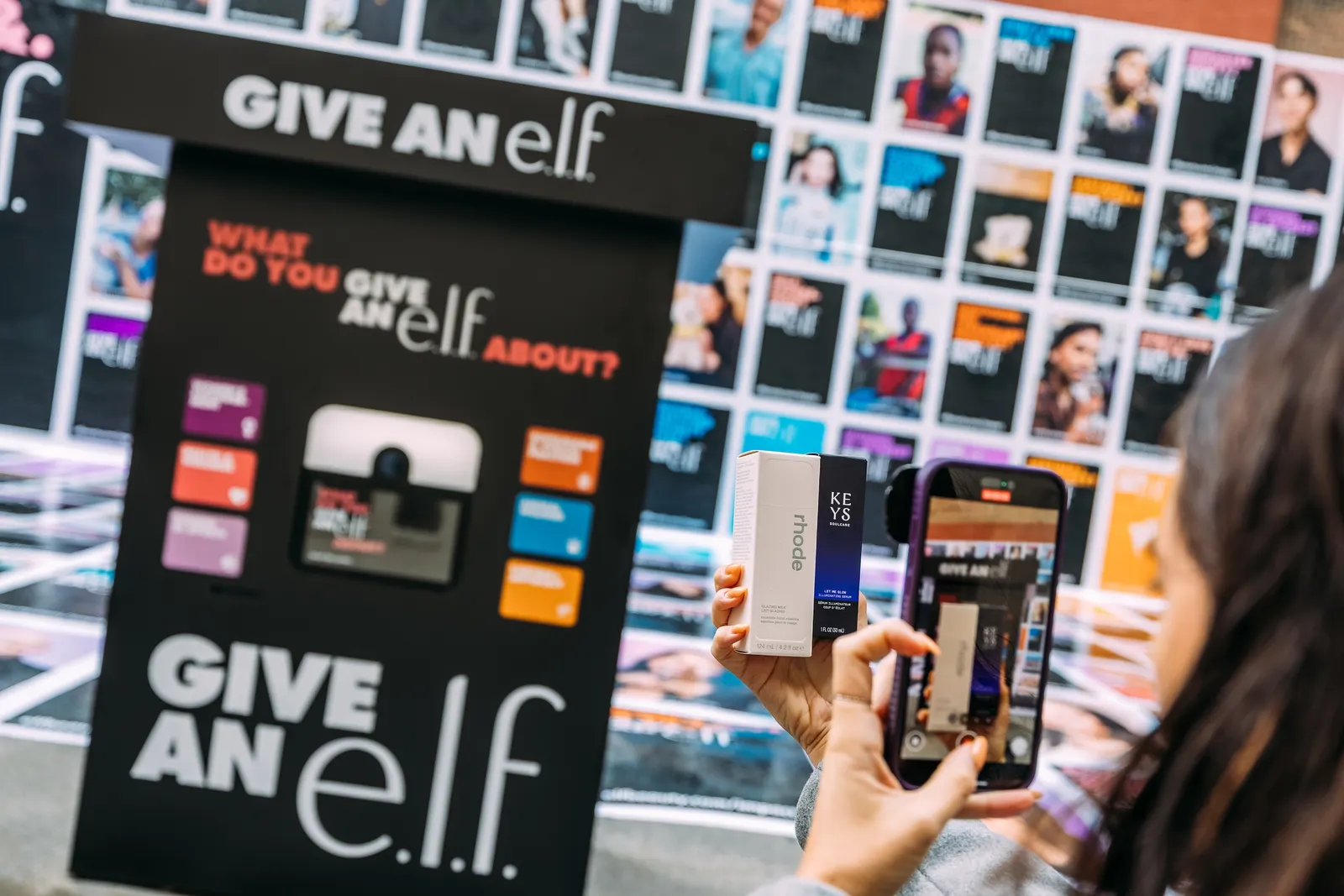
E.l.f.’s purpose-driven experiential marketing
Courtesy of E.l.f.
Best purpose-driven: E.l.f., “Give an e.l.f.”
Purpose-driven marketing continued to move to the backburner in 2025 as a number of marketers scaled back commitments to values like diversity and inclusion and a shifting social climate left brands uncertain. However, E.l.f. Beauty remained undeterred in its commitment to purpose, an achievement directly reflected in the brand’s 27 consecutive quarters of net sales growth, according to Chief Brand Officer Laurie Lam.
“Standing by the things that we care about matters so much, and especially at a time when I think our voices may not be as heard,” said Lam.
The brand in October launched “Give an e.l.f.,” a campaign that highlights the brand’s annual Impact Report and encourages consumers to fuel their own sense of purpose. The effort included a New York City event inviting consumers to visit a custom kiosk and select a cause they care about, and E.l.f. in exchange made a donation to a nonprofit focused on that cause.
In total, the campaign delivered around 195 million earned impressions and achieved 99% positive sentiment, according to Lam.
“We’ve made a commitment to create zero distance with our community, with our C-suite, and we really want to make sure that is shown through action,” Lam said. “This was not just talking — this was we’re going to walk the talk.”
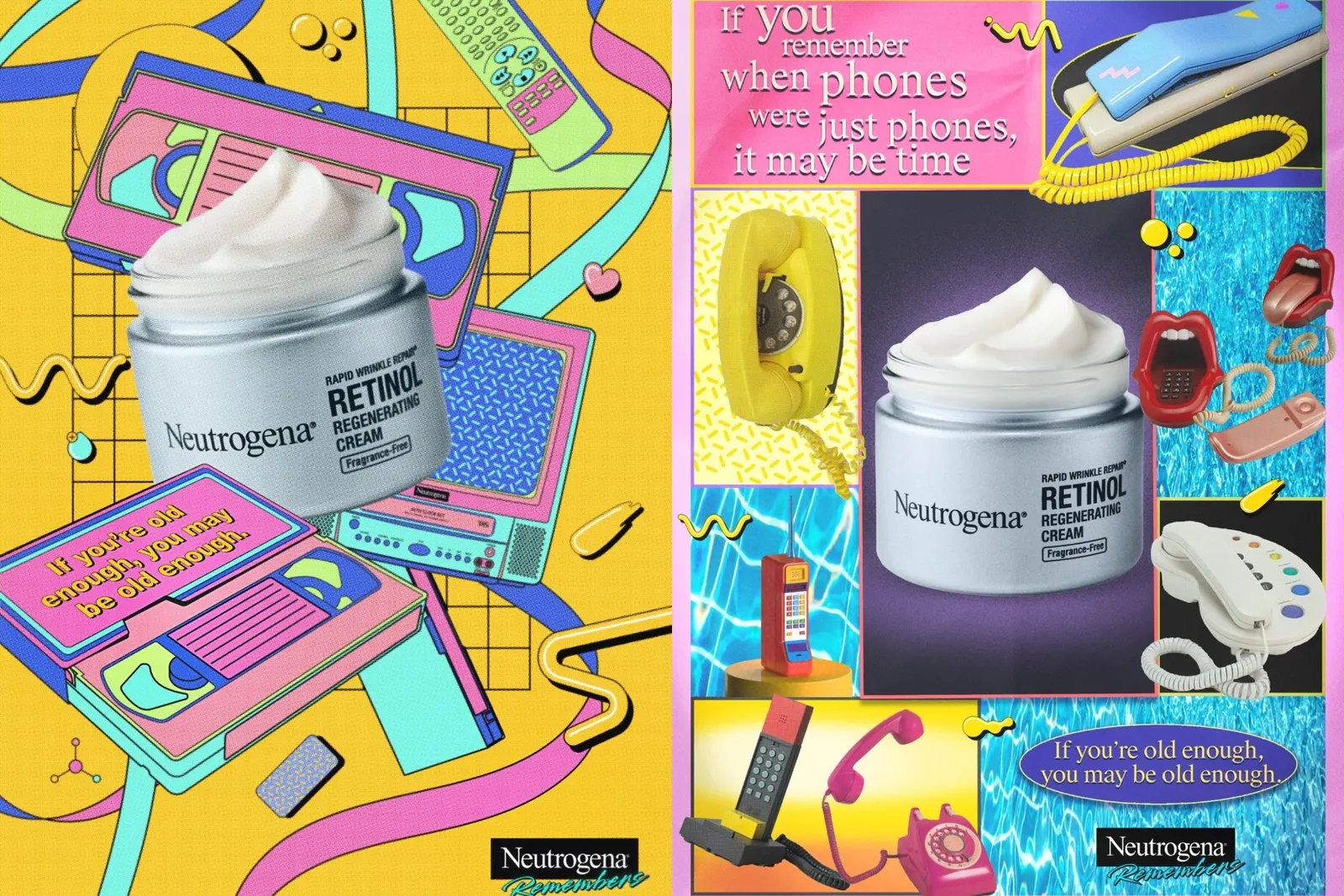
A pair of “Neutrogena Remembers” ads
Courtesy of Neutrogena
Best use of nostalgia: “Neutrogena Remembers”
As ‘90s kids come into increased spending power, many brands have turned to nostalgia to win their attention. “Remember this thing from when you were young” has provided the basis for many a campaign as brands look to invoke feelings of childhood in consumers. However, nostalgia-based campaigns have almost become a dime-a-dozen, with many looking to connect with millennials but few actually standing out.
Neutrogena has put its own spin on nostalgia marketing. Instead of asking consumers, “Do you remember this thing,” the beauty brand is saying, “If you can remember this thing, you’re probably getting old.” The change in perspective provides the framework for “Neutrogena Remembers,” a campaign meant to tackle the conversation around aging and promote the brand’s Rapid Wrinkle Repair Cream and Rapid Wrinkle Repair Serum products.
“We wanted to shake things up on how we connect with our consumers on anti-aging,” said Chris Riat, global brand leader, Neutrogena, at Kenvue. “And as opposed to being… anchored in the fear of the wrinkle, we wanted to basically connect with them on aging in a positive way.”
The campaign saw strong social engagement, along with a large volume of user-generated content on platforms like TikTok and Instagram. Beauty is a dynamic and busy category, and “Neutrogena Remembers,” allowed the brand to cut through the noise, according to Riat.
Read the full article here