Selling anything is tough, and you’re right to celebrate every time a customer makes their first purchase. You’ve earned it. But the initial order is just the first hurdle. The real challenge lies in getting a customer to make additional purchases and increase their customer lifetime value (CLV).
Your first sale to any given customer focuses on demonstrating value and highlighting your brand credentials. The second-order push requires a different approach — one built around timing, context, and personalization. Get it wrong, and your brand comes across as irrelevant. Get it right, and you can build the foundation of a lifelong customer relationship with a well-timed, relevant cross-sell email flow.
What the first purchase teaches you
Before you pull your entire catalog into an email, stop and consider what the customer initially purchased. What’s it for? What else might someone making that purchase require?
Carefully considering the first purchase can provide substantial information about what the customer may need next or be most interested in.
Here are a few questions to get you started:
- What complementary products will the customer need?
- Will the customer be interested in an upgrade?
- If their first purchase solves X, which products will solve Y?
- Do we offer services that help customers make better use of the initial product?
- Will the customer need to refill or replenish the product later?
Using your customer’s initial purchase as a starting point makes it easier to map the way forward and guide them toward a second order (and perhaps even a third and beyond).
Here’s an example: If a customer buys a DSLR camera, there’s little chance they’ll be interested in another one during the next few years. However, lenses, cleaning kits, filters, and SD cards are likely to be next on their shopping list.
10X your SEO with Semrush for Enterprise.
The world’s most powerful SEO platform, purpose-built for Enterprise.
Request demo
Trigger the email flow at the right moment
The last thing you want is to send a cross-sell email immediately after the customer makes a purchase. However, you also don’t want to wait so long that your prompt to place another order becomes irrelevant.
How do you determine when to trigger your cross-sell email flow?
Trigger your flow the same way you build out your cross-selling strategy — let the initial product purchased guide your thinking.
Continuing with the DSLR camera example mentioned above, here’s a rough guide:
- Accessories and add-ons: Since these work with the recipient’s new camera (and are generally a lower price point), you can trigger an email highlighting these related products about a week after the first purchase. This would include items like straps, SD cards, and travel cases.
- Complementary products: These are higher-margin items that enhance the primary product’s performance. Give your customer some time to learn their new product (usually about two to three weeks after delivery, depending on the initial purchase), and use the interval to determine which complementary items they may need. Complementary products include lenses, lights, tripods, and reflectors.
- Consumables and upgrades: After two to three months, the customer will have had enough time to use their product regularly, and they may need to replace or upgrade a few parts. This would include batteries, software, and cleaning kits.
The power of personalization in cross-selling
For a cross-sell automation to succeed, it needs to be hyper-relevant — not just in terms of timing and product category, but also the products or services you show customers as a follow-up.
If these products are completely different from or unrelated to the customer’s initial purchase, there’s a good chance they won’t buy again. Luckily, most email service providers offer many ways to customize your emails, including dynamic text and image blocks based on a customer’s previous purchases.
These features often include:
- Displaying dynamic recommended product reels based on the recipient’s purchase history.
- Including the previously purchased product’s name in the email subject line or body copy.
- Segmenting your email flow based on whether someone is a first-time purchaser or repeat buyer.
- Customers purchasing for the second time should receive prompts to join rewards programs, review requests, and subscription pushes.
- First-time purchasers should receive a discount on their next order, as well as educational content on complementary products and why they’re important.
- Tailoring content toward a specific segment of your audience (e.g., if someone is a hobby photographer, your content angle and featured products would be different from what’s shown to a professional).
Don’t overwhelm your customers
Showing your customers a huge range of products doesn’t automatically lead to more purchases. Too many recommendations will diminish the effectiveness of your cross-sell flow, dilute the primary CTA, cause decision fatigue, and make your emails feel automated rather than carefully considered.
If you use segmentation effectively and optimize your cross-sell flow for relevance, your customer will feel like you’re meeting them exactly where they are on their purchasing journey.
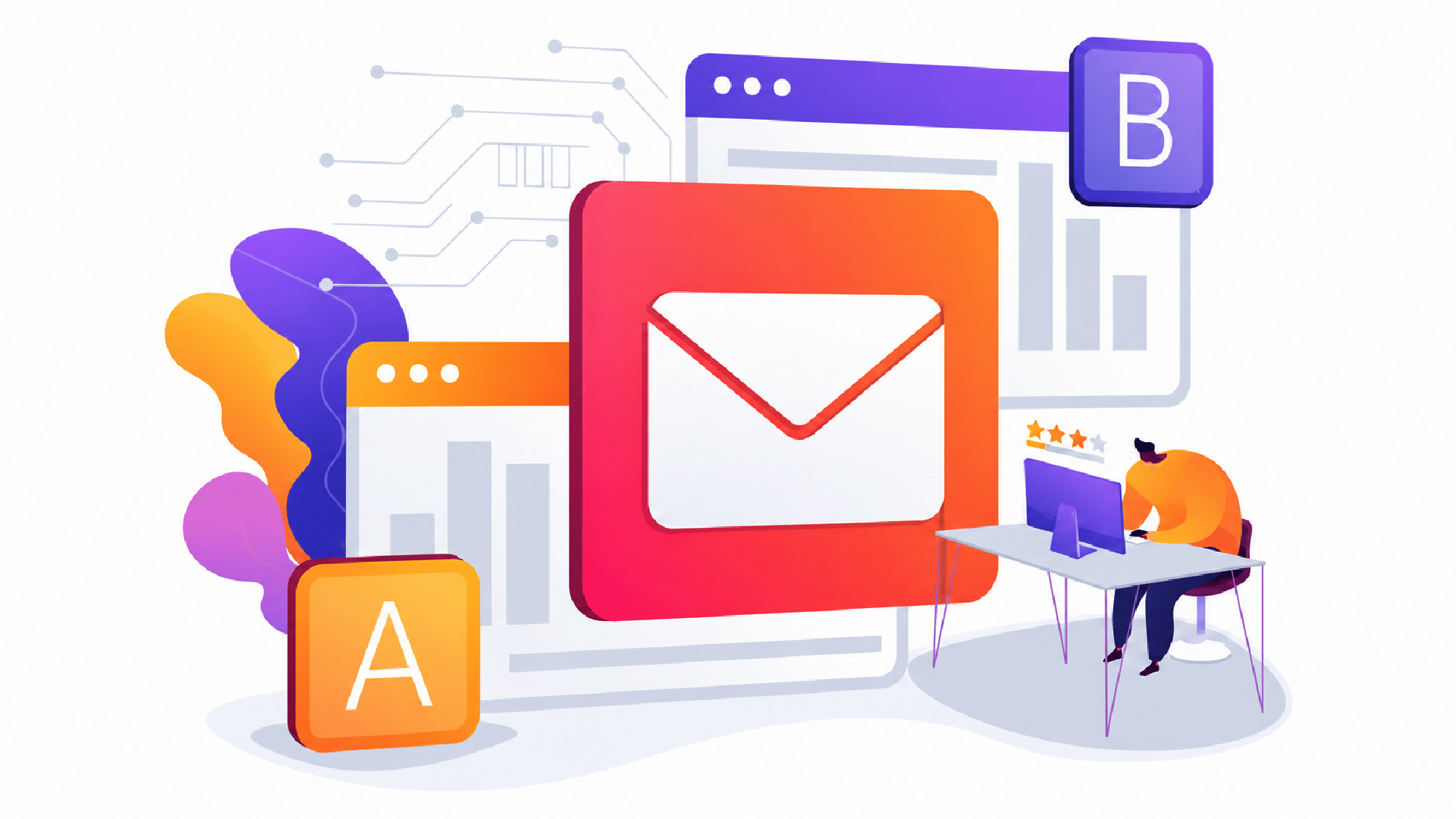
Not sure how many products to recommend? You can always A/B test the following:
- One highly relevant recommendation.
- Three to four complementary products.
- A larger dynamic recommendation section.
Another important consideration is timing. In addition to the timing mentioned earlier (initial triggers based on the product purchased), test the timing between sends to determine whether the audience prefers longer or shorter communication gaps. Gathering this data will help you set a pace that makes sense and ensures that customers don’t feel like you’re bombarding them.
Know when to stop your cross-sell email flows
Without a proper exit strategy, a cross-sell email flow could easily become an automated pest for your customer. When crafting your strategy, define clear exit conditions:
- The customer purchases the recommended product(s).
- The customer stops engaging.
- The customer enters a different lifecycle stage.
- Another automated flow gets triggered.
The last point is most important. It’s essential to set conditions in your ESP that check whether a customer is already in another flow before triggering a cross-sell to avoid overlap.
Also, keep in mind how often your customer receives the post-purchase flow. Triggering it after every order (especially if someone is a frequent customer) quickly becomes repetitive and makes recipients feel like you’re overselling them. Avoid this by setting category-based triggers (email flows begin only after recipients purchase from a new category) or by setting specific windows during which the flow is sent.
Build cross-sell flows around customer needs
If you take the time to segment your purchasing customers, consider the journey from their perspective, and let logic and intuition guide you, a cross-sell email flow can be one of the most powerful automations in your email marketing program. Not only can cross-sell flows continually boost revenue, but they also help build long-term relationships with customers.
The question should always be, “How can I add more value?” instead of “What can I sell this person next?”
Read the full article here